From the ocean to your plate!
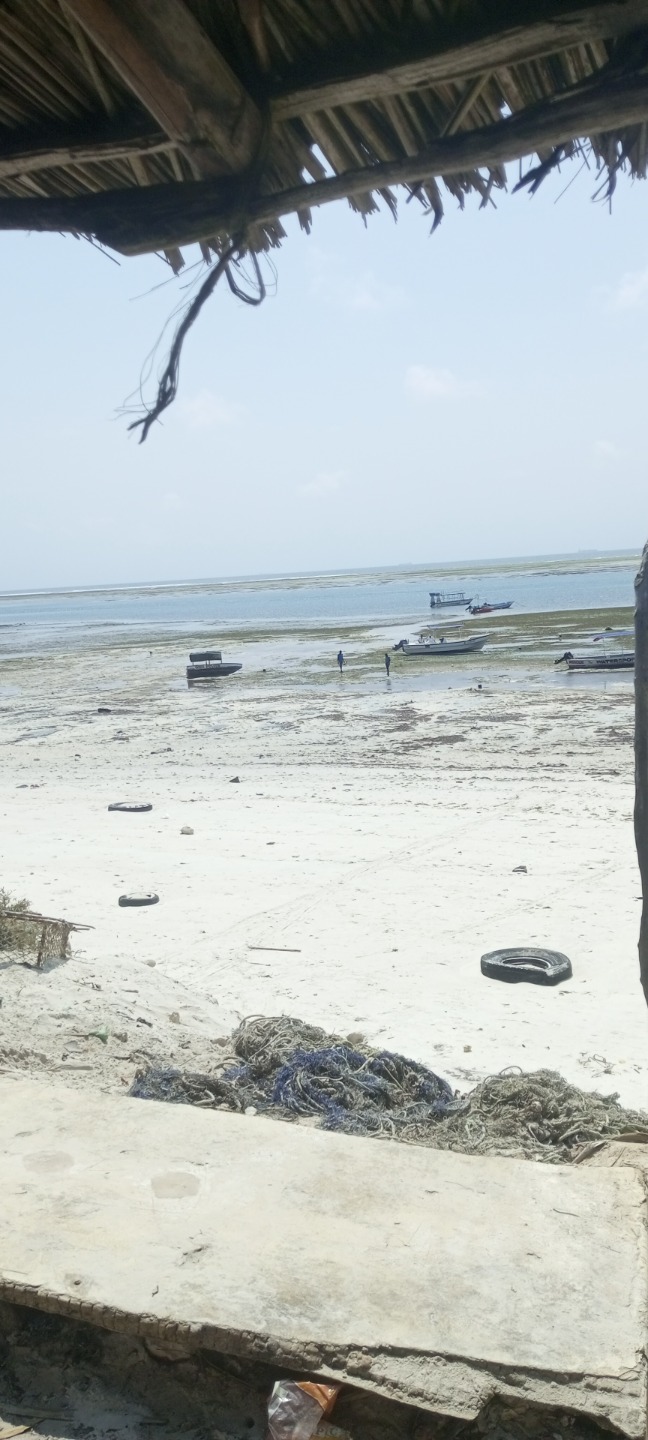
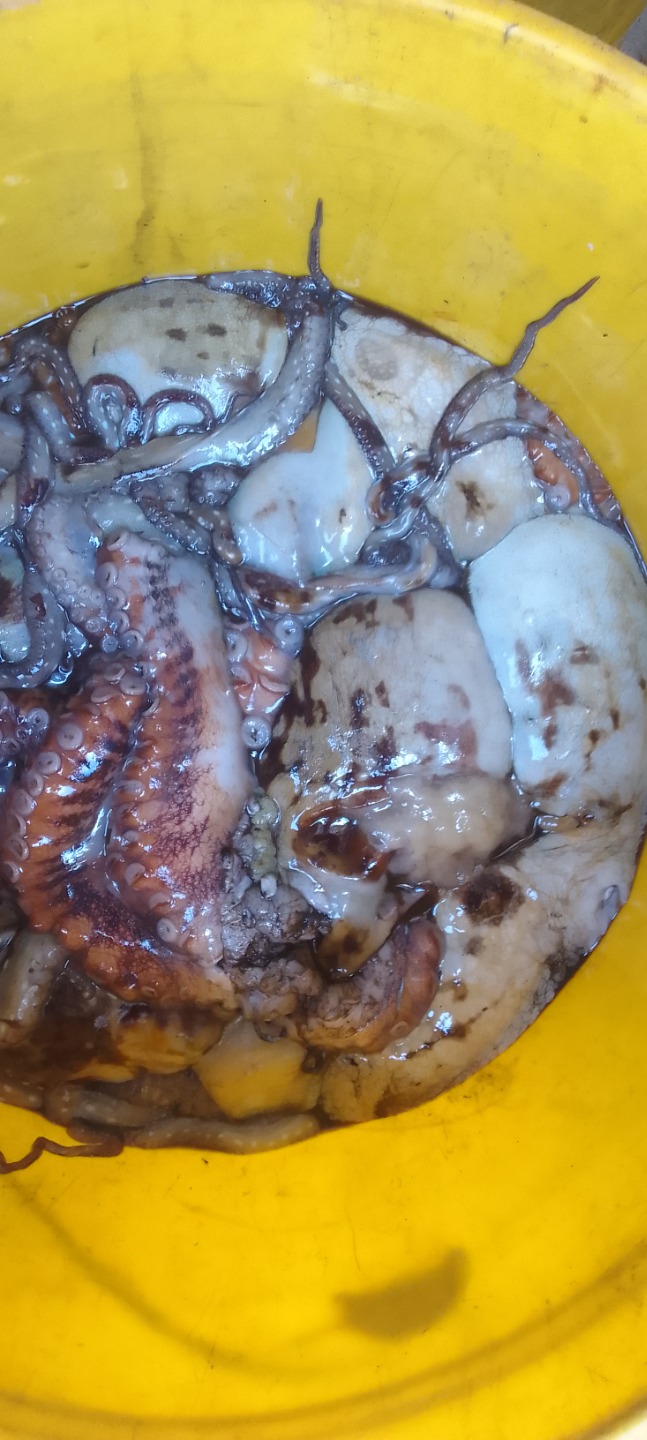
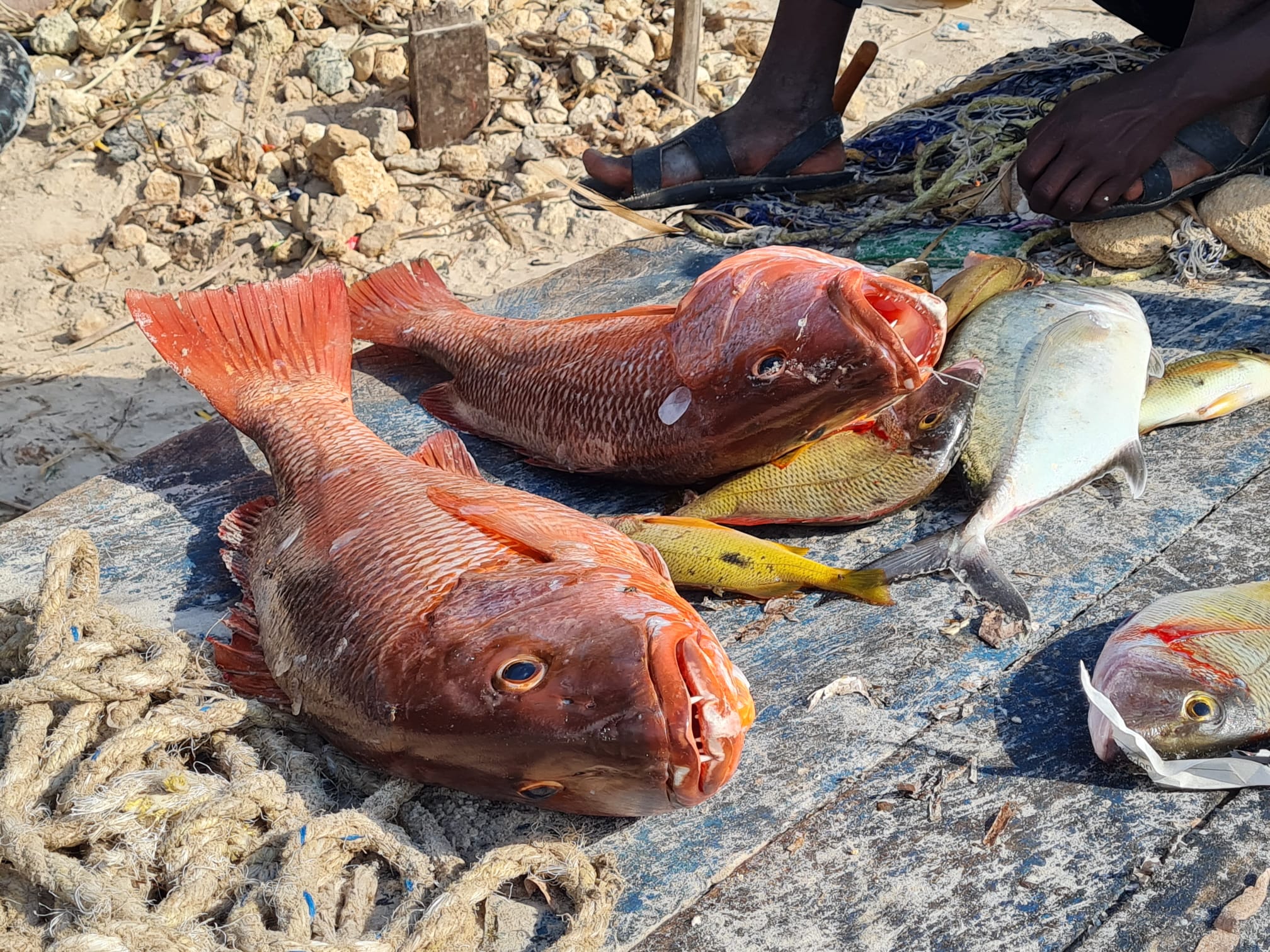
Buy SEAFOOD directly from Nyali Beach Management Unit
Connecting People, Cities and the Ocean: Innovative Land-Sea Planning and Management for a Sustainable and Resilient Kenyan Coast.
Under the umbrella of the Blue Economy, the overall objective of the programme is to unlock the potential of sea-land opportunities in coastal urban centres for sustained, inclusive and sustainable economic growth with employment impact, while conserving and sustainably using the coastal and marine environment as well as promoting effective and integrated maritime governance.
Overall objective of the Program is “To contribute to coastal economic development in an inclusive, integrated, participatory and sustainable manner”, whereas the specific objective is to “Strengthened inclusive and sustainable blue economy value chains” and specifically:
Enhanced fisheries co-management and strengthened fisheries value chains for shared prosperity, inclusive economic growth and job creation.
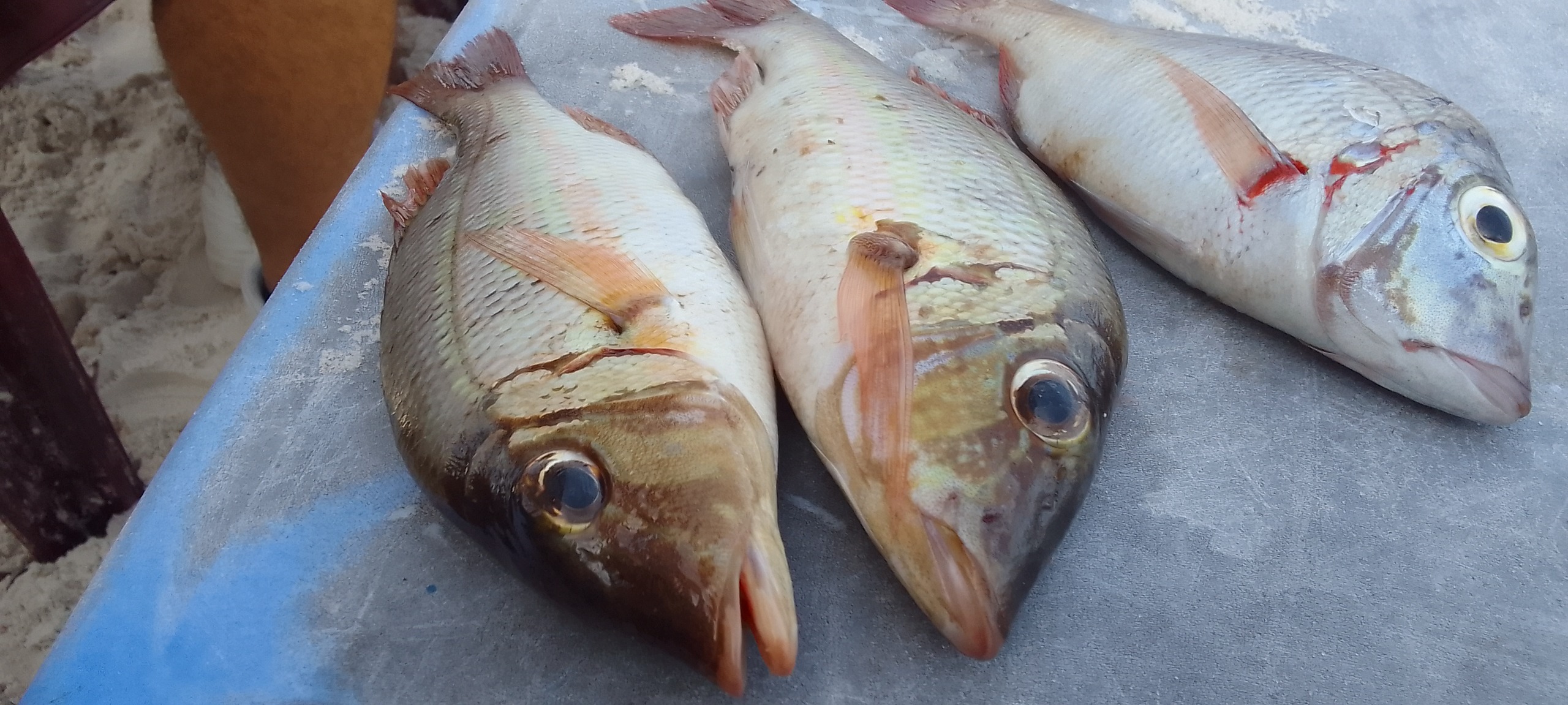
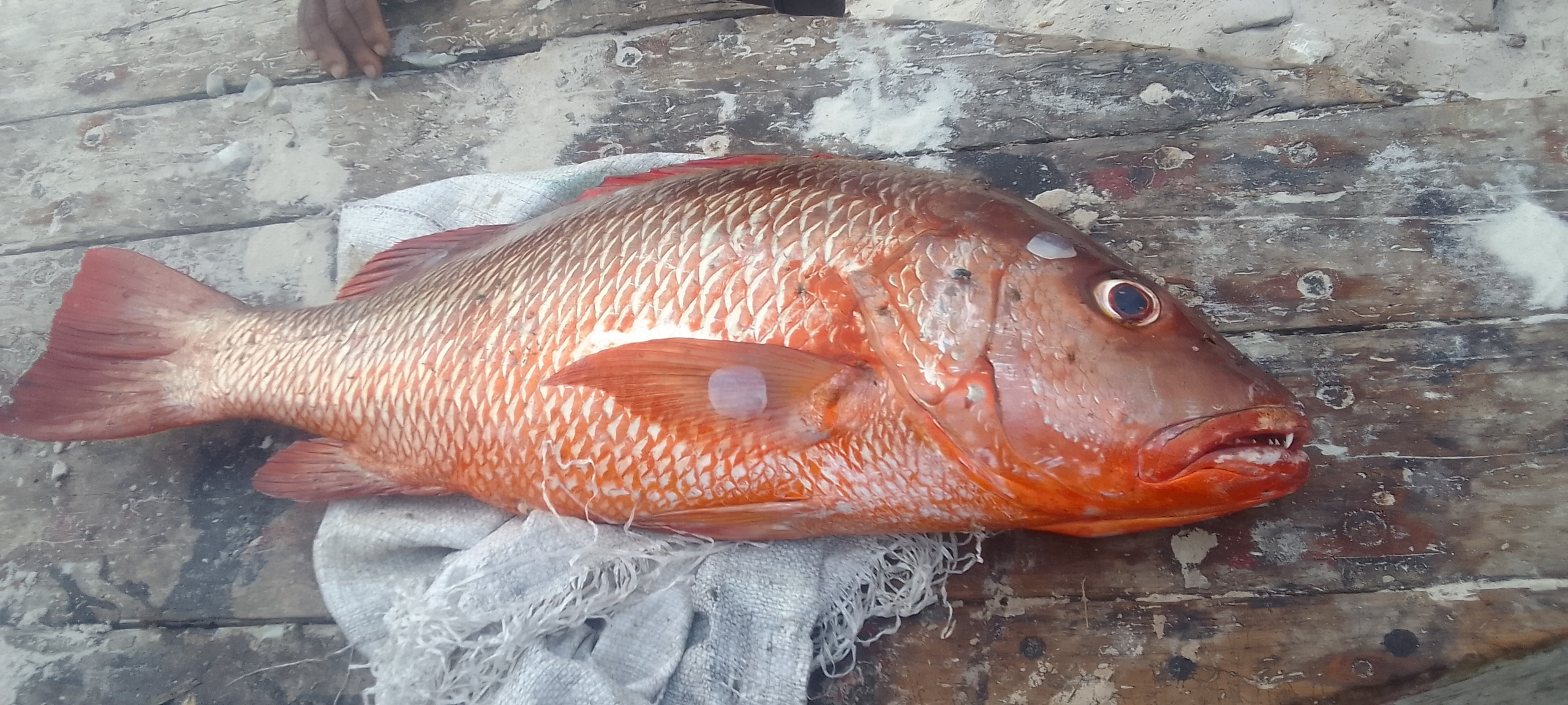
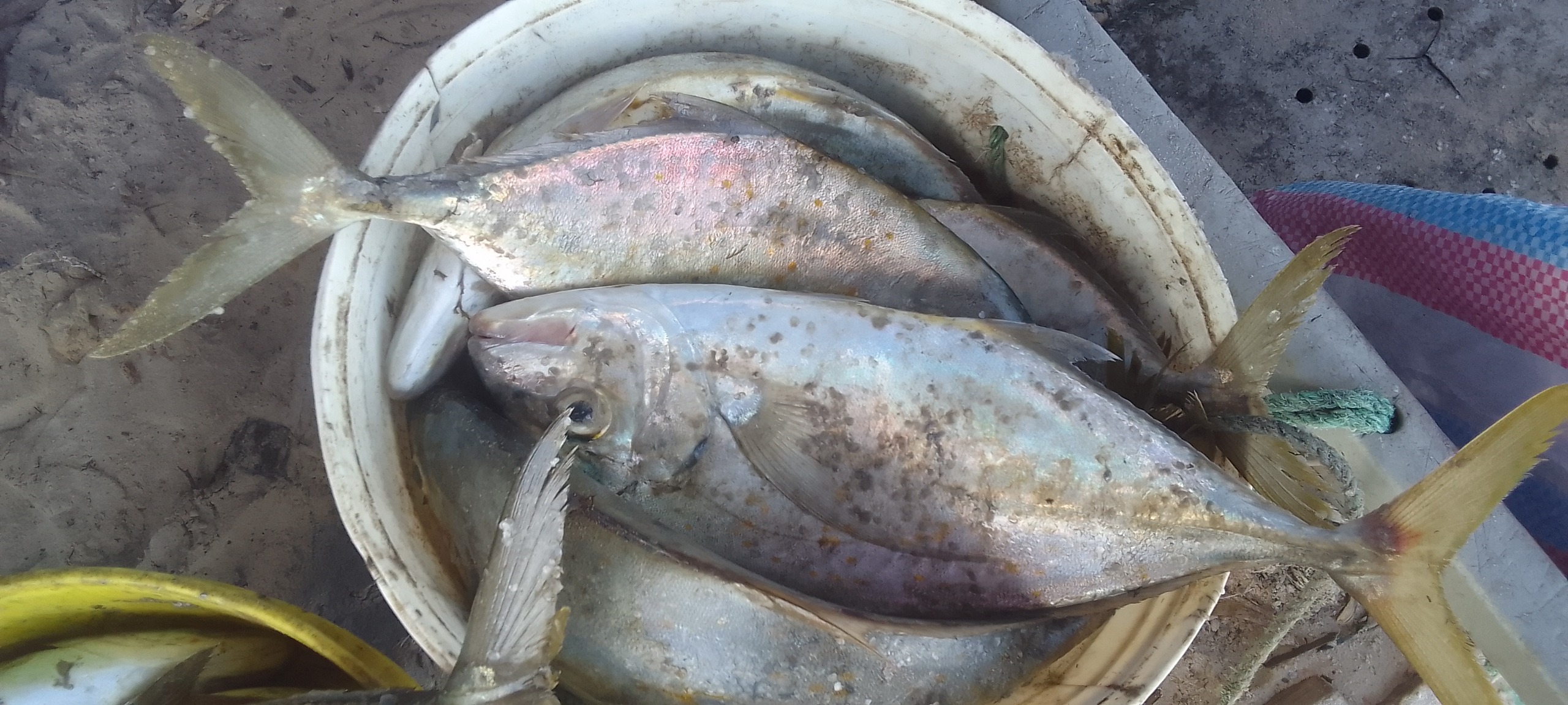
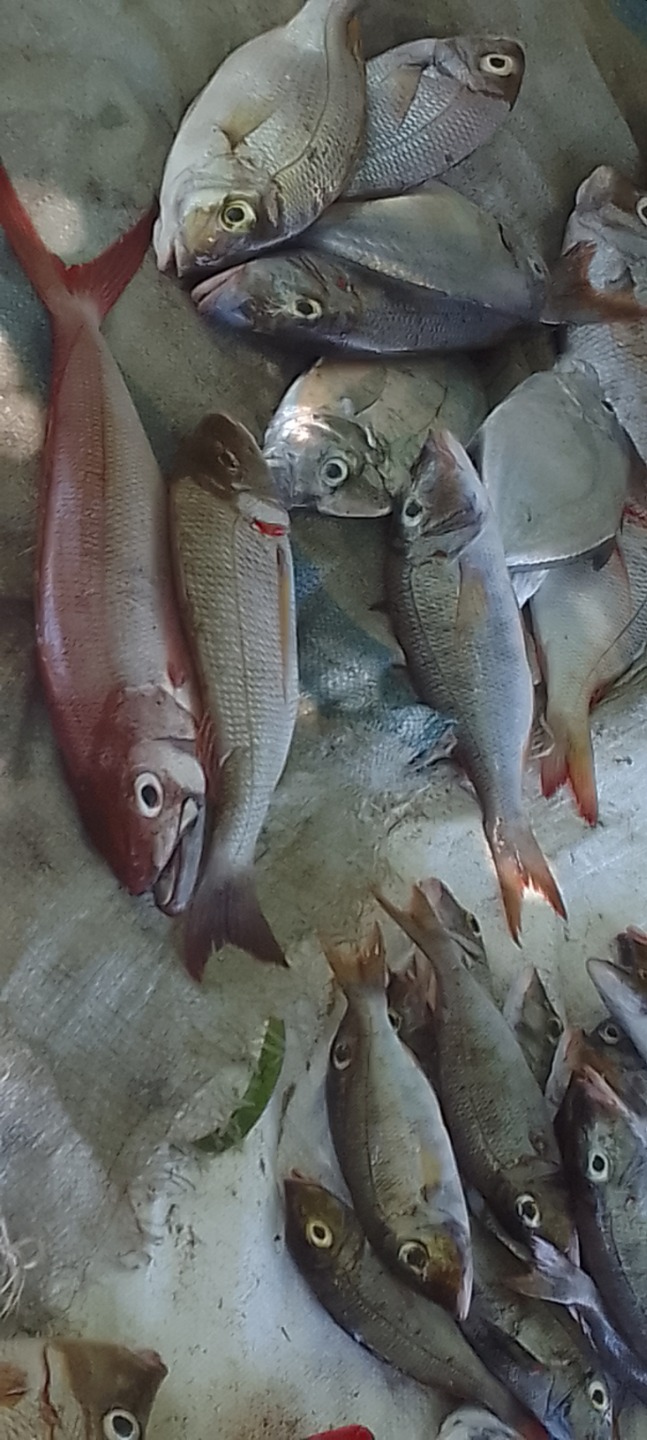
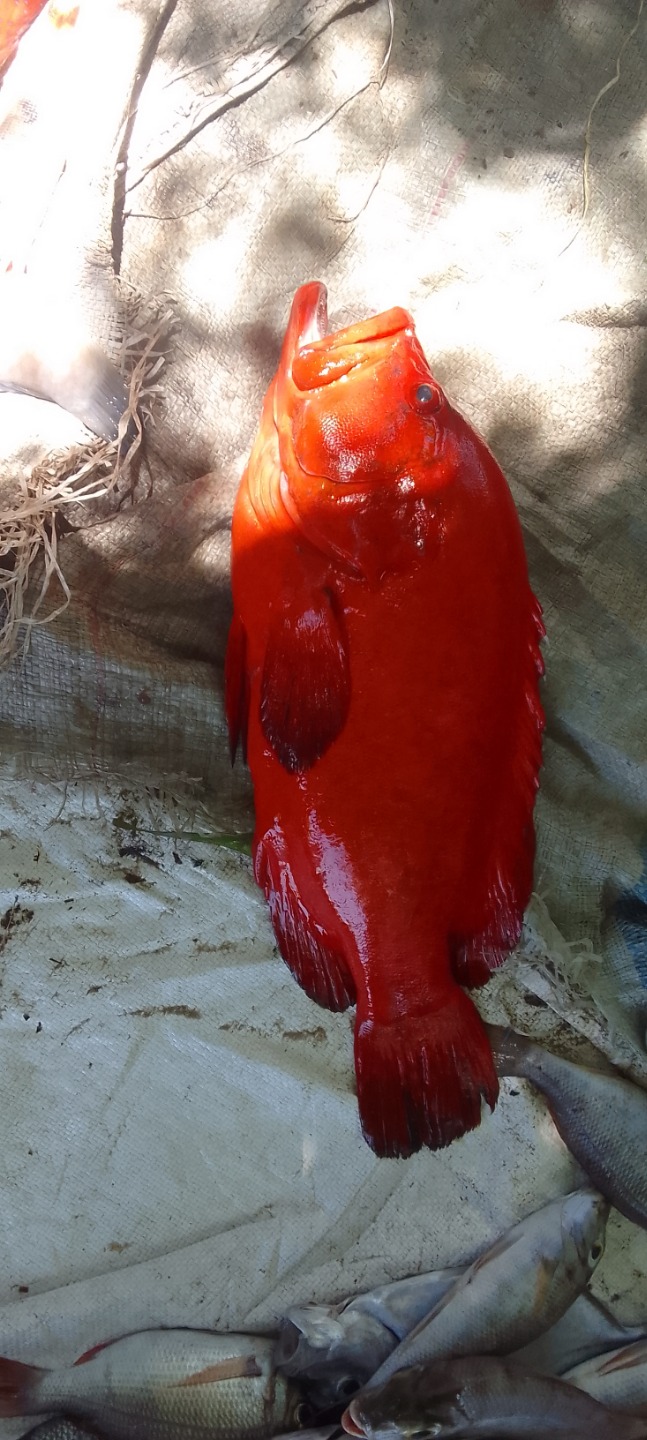
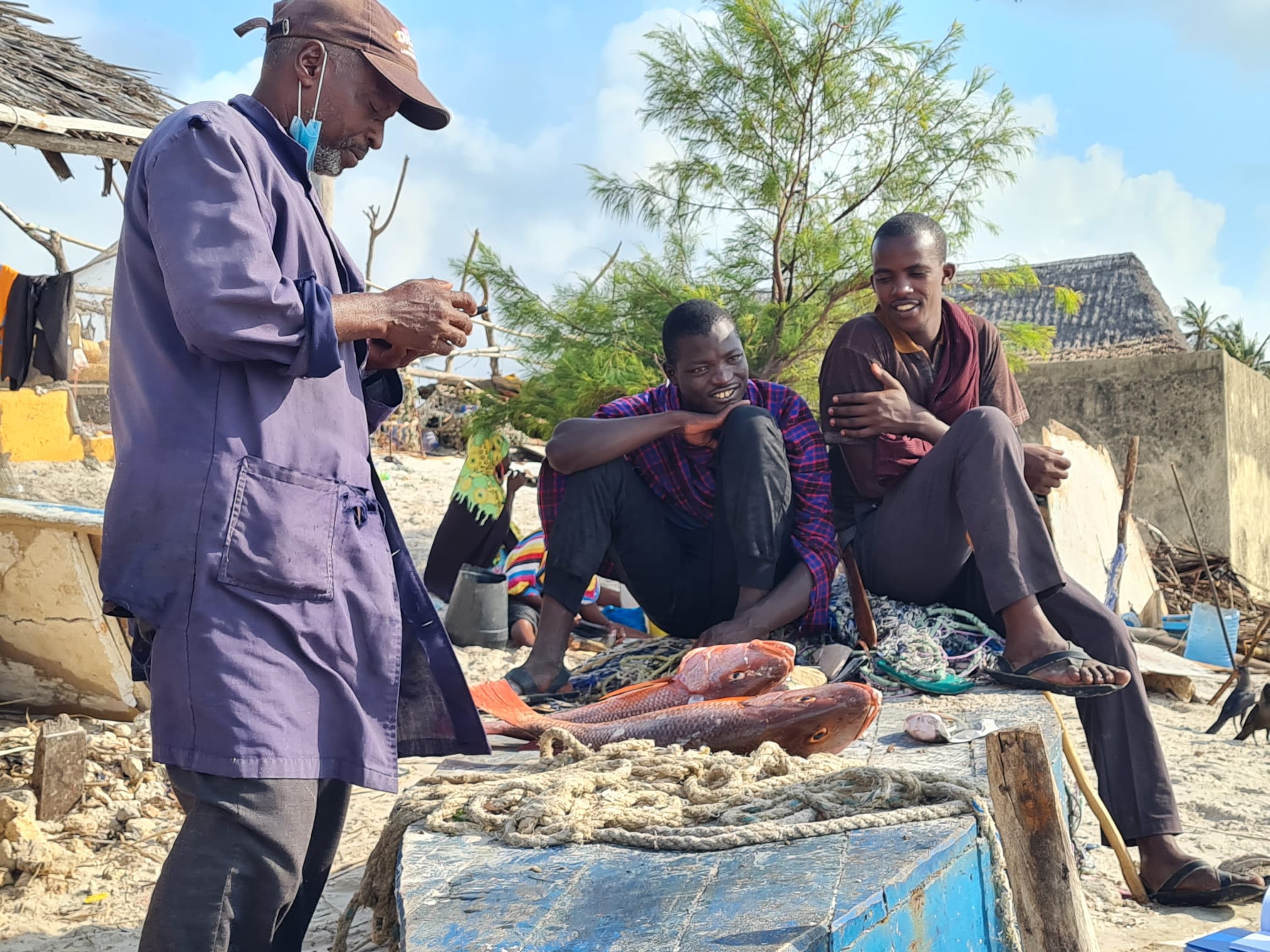
The application Soko Samaki creates a label that signifies fully traceable, local seafood caught by small-scale fishers from the involved BMUs. The key criteria that the label considers are: fresh, premium, local catch within Kipini, Mtwapa, Mwazaro and Nyalis’ daily catch. This partnership reimagines a more responsible and transparent seafood system, allowing consumers to “taste the difference” of local seafood with a powerful story behind it, accessible at any time in the Traceability section of the APP. The seafood is supplied directly from BMU to BMU, and from fishers and traders to consumers via a fair and transparent digital marketplace powered by the Go Blue Project. A key element for the success of this project is that in every listing, real-time tracking of the product will be ensured through geo-localized photos, precisely identifying the fishing area or landing site where the announcement is published. Additionally, the fishing date will be specified, and a unique number will be automatically generated to identify the product, ensuring traceability. The buyer will be able to download the label at any time, and the announcement will be removed after 48 hours to ensure the product's extreme freshness.
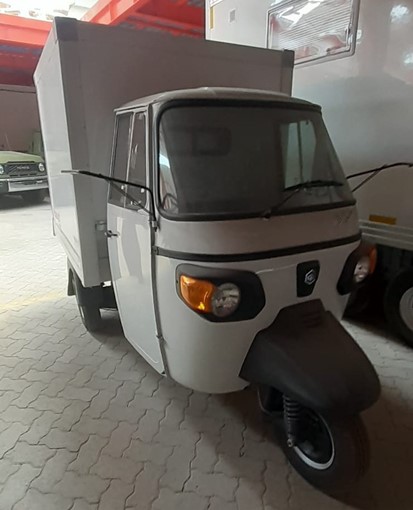
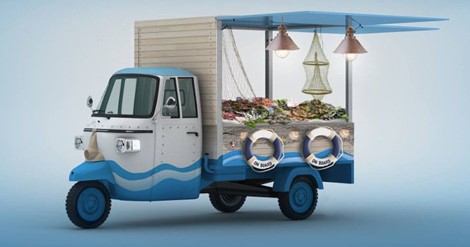
“TukTuk” is the most common vehicle in Kenya, following European standards, the vehicle was designed modified, following hygiene and cold chain standards and equipped for seafood retailing and delivering.
The project involved the creation of mobile fish shops using door-to-door delivery in Nyali Mombasa, successfully enhancing marketing through an innovative approach to fish retail and distribution. This model diversified the offerings by targeting both fresh and processed fish sales. Each mobile shop is equipped with a fish counter display and a refrigerated box for fish and ice storage. A small solar panel provided energy and lighting, making the shop sustainable and efficient. The TukTuk mobile shop offered the flexibility to position sales according to market demand, introducing a significant innovation to the local fish market.
2 'Tuktuks' were provided to the Nyali BMU with recognisable brand SokoSamaki and they are connected directy with the web app www.e.sokosamaki.com